
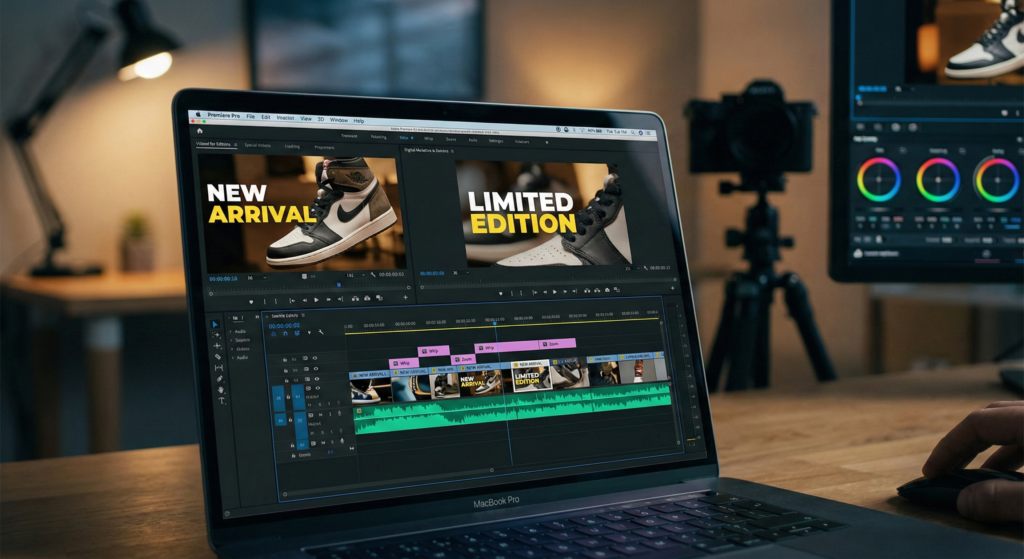
Video Editing for Different Industries in 2026: video marketing is no longer limited to influencers and entertainment brands. Almost every industry now relies on professional video editing to communicate, engage, and convert audiences. However, the editing style that works for a real estate company may not work for a healthcare clinic or an eCommerce brand.
That’s why understanding industry-specific video editing is essential.
If you’re still unsure whether your business truly needs professional editing, read 7 Signs Your Business Needs Professional Video Editing in 2026. And for a foundational understanding, check What Is Professional Video Editing? A Complete Beginner’s Guide.
Let’s break down how different industries use video editing strategically.
eCommerce & Product-Based Businesses
For online brands, video editing directly impacts conversions. Product videos must clearly show features, benefits, and use cases.
Important editing techniques:
- Close-up product shots
- Fast-paced cuts
- Bold captions for key benefits
- Call-to-action overlays
- Lifestyle demonstration footage
Short-form vertical videos perform exceptionally well on TikTok and Instagram Reels.
If your goal is sales, you should also read How Professional Video Editing Helps Businesses Increase Sales to understand the conversion psychology behind editing.
Healthcare & Medical Industry
Healthcare videos require clarity, trust, and professionalism. Editing should feel clean, informative, and calm.
Common video types:
- Doctor introductions
- Clinic walkthroughs
- Patient testimonials
- Educational explainer videos
Editing focus:
- Clear audio quality
- Subtle transitions
- Professional lower-thirds (name tags)
- Neutral color grading
According to research by HubSpot, educational video content builds trust faster than static posts, especially in service-based industries.
Corporate & B2B Industry
Corporate video editing emphasizes authority and brand positioning. These videos are often used for:
- Company profile videos
- Investor presentations
- Recruitment campaigns
- Internal training
Editing style includes:
- Clean graphics
- Branded color themes
- Structured storytelling
- Professional voiceovers
Retention and clarity are crucial, especially on platforms like YouTube where watch time influences reach.
For strategic comparisons, see Freelance Video Editor vs Video Editing Agency to determine the right production approach for corporate needs.
Real Estate Industry
Real estate video editing focuses on presentation, clarity, and luxury appeal. Buyers want to visualize themselves in a property, so editing must feel smooth and premium.
Key editing elements:
- Stabilized walkthrough footage
- Smooth transitions between rooms
- Clean background music
- Text overlays for pricing and features
- Bright and balanced color grading
Platforms like YouTube are ideal for long property tours, while short highlights perform better on Instagram.
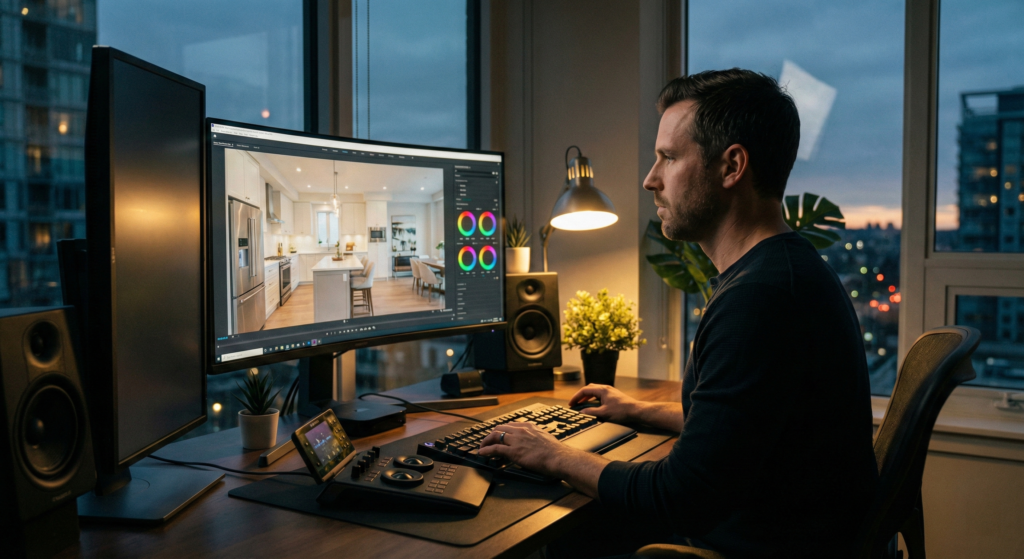
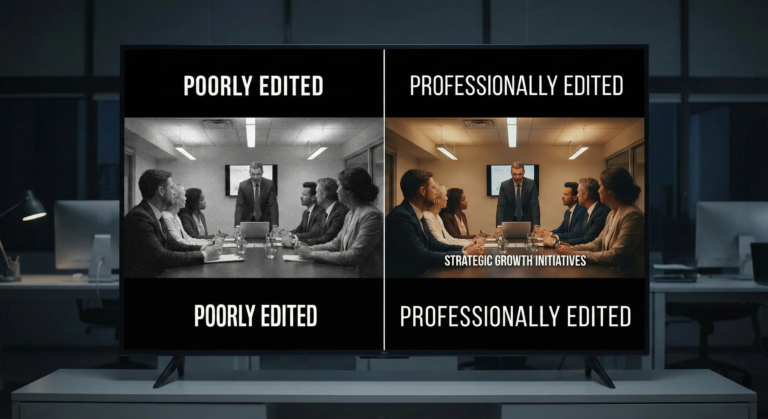
A poorly edited property video can reduce perceived value. A professionally edited one increases buyer interest and inquiries.
Hospitality & Travel Industry
Travel and hospitality content relies heavily on cinematic editing. The goal is to make viewers feel the destination.
Editing style includes:
- Smooth transitions
- Aerial drone footage
- Cinematic color grading
- Emotional background music
Hotels, tourism boards, and travel agencies depend on immersive storytelling to increase bookings. Emotional pacing plays a key role in viewer engagement.
Education & Coaching Industry
Coaches, trainers, and educators use video to explain complex topics in simple ways. Editing should prioritize clarity and engagement.
Typical formats:
- Online course modules
- Webinar recordings
- Social media tips
- Motivational clips
Editing focus:
- Clean jump cuts
- On-screen bullet points
- Animated graphics
- Subtitles for accessibility
According to Wyzowl, educational and explainer videos are among the most consumed content types globally.
Fitness & Lifestyle Industry
Fitness videos are energetic, fast-paced, and motivational.
Editing elements:
- High-energy music
- Quick cuts synced to beats
- Dynamic captions
- Before-and-after visuals
Short-form content dominates here, especially on TikTok and Instagram. The right editing style keeps viewers engaged and encourages shares.
Why Video Editing for Different Industries Matters
Each industry has different goals:
- Real estate wants inquiries
- eCommerce wants purchases
- Healthcare wants trust
- Corporate wants authority
- Travel wants inspiration
- Education wants clarity
- Fitness wants motivation
Using the wrong editing style can weaken your message. Professional video editing adapts storytelling, pacing, and visuals to match industry expectations.
If you’re planning long-term content growth, read The Complete Guide to Professional Video Editing for Businesses in 2026 for deeper strategy insights.
Final Thoughts
Video editing is not just about making content look good. It’s about aligning your visuals with your industry goals and audience psychology.
In 2026, businesses that customize their video editing strategy by industry will outperform competitors using generic content.
The right editing style turns simple footage into a powerful business asset.
FAQs
Why do different industries need different video editing styles?
Each industry has unique audience expectations and goals. For example, healthcare videos focus on trust and clarity, while fitness videos emphasize energy and motivation. Editing style must match industry objectives.
Which industry benefits the most from professional video editing?
All industries benefit, but eCommerce, real estate, and social media-driven businesses often see faster measurable returns through improved engagement and conversions.
Is social media editing different for every industry?
Yes. While the format may be similar, tone, pacing, messaging, and visuals are customized based on the industry and target audience.
Can one video editing strategy work across multiple industries?
Basic principles apply universally, but professional results require adapting storytelling, visuals, and pacing to industry-specific goals.