
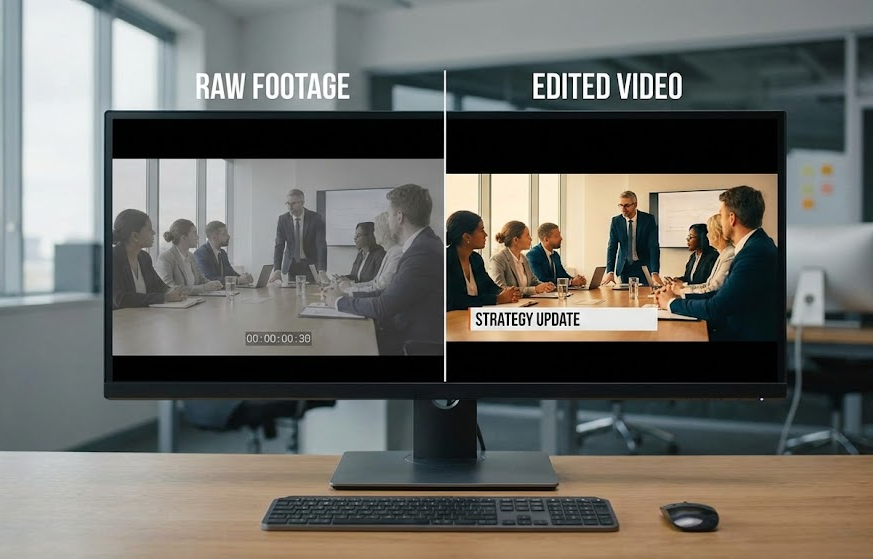
Video content dominates marketing in 2026. Whether you are a startup, small business, or growing brand, video is no longer optional, it’s essential.
But posting raw footage isn’t enough. This is where professional video editing comes in.
If you want a deeper strategic breakdown, you can also read The Complete Guide to Professional Video Editing for Businesses in 2026 to understand how it impacts long-term growth.
What Is Professional Video Editing?
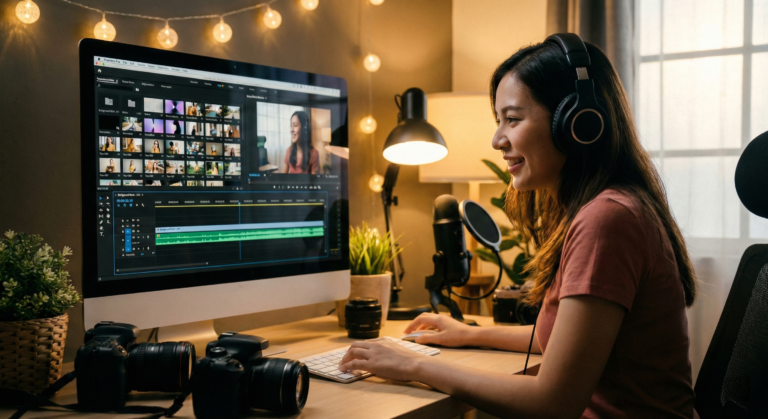
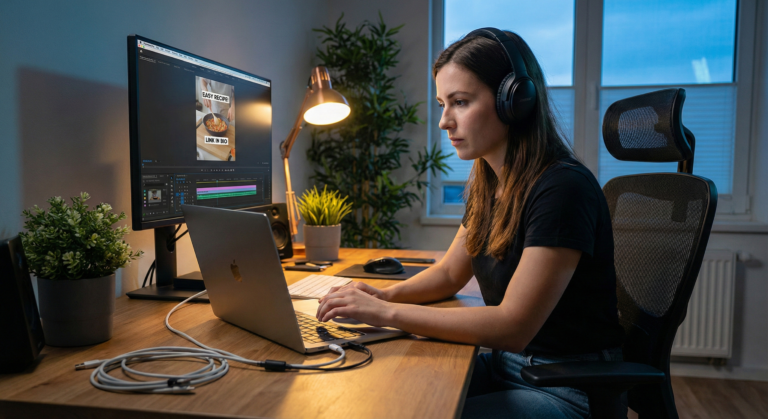
Professional video editing is the process of transforming raw video footage into polished, engaging, and strategic content that communicates a clear message.
It goes beyond cutting clips together. It includes:
- Story structuring
- Removing mistakes and pauses
- Adding transitions
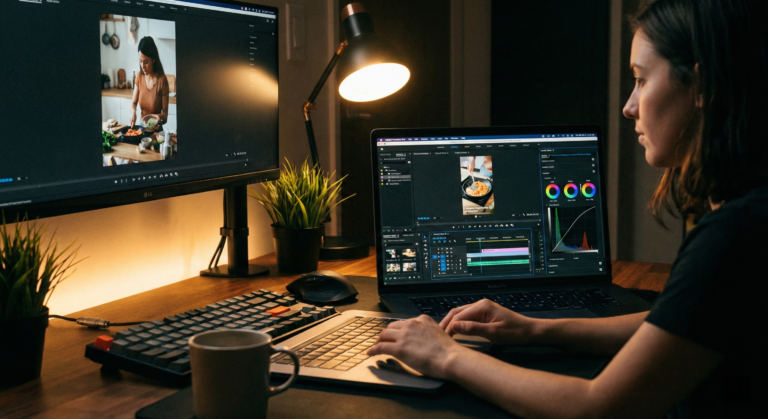
- Color correction and grading
- Sound design and background music
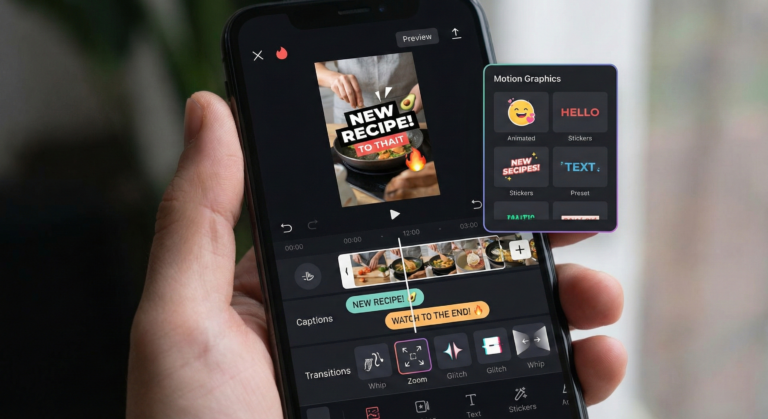
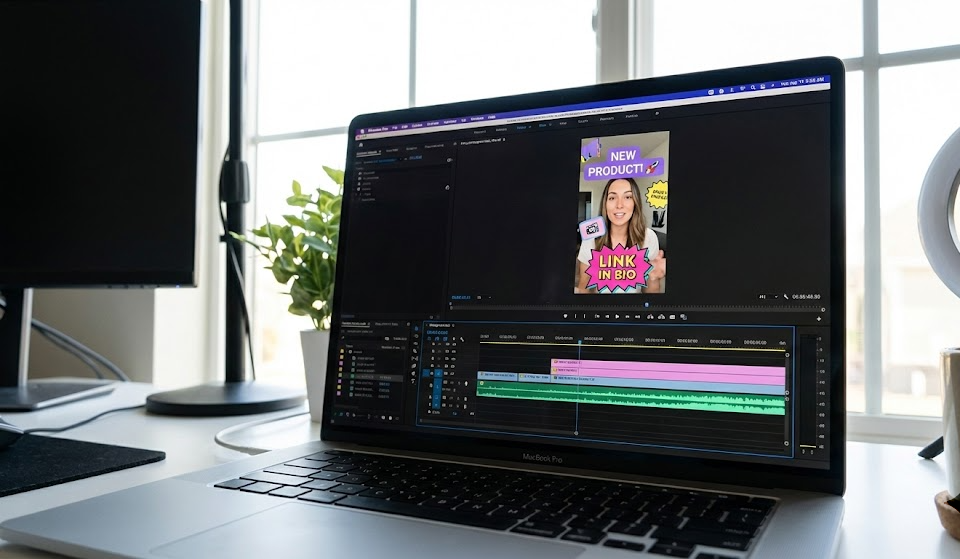
- Motion graphics and captions
- Optimizing format for different platforms
Professional editing focuses on clarity, emotion, and conversion not just aesthetics.
How Professional Editing Is Different From Basic Editing
Many beginners think trimming clips and adding music is enough.
Basic editing = simple cuts and effects.
Professional editing = storytelling + strategy + branding.
For example, platforms like YouTube reward strong retention, while Instagram prioritizes short-form engagement. A professional editor understands these differences and edits accordingly.
Why Businesses Need Professional Video Editing
Professional editing helps businesses:
- Build trust
- Look premium
- Increase watch time
- Improve social media reach
- Increase conversions
According to research by Wyzowl, businesses that use video strategically report higher engagement and stronger customer understanding of their products.
In simple terms: better editing = better results.
Key Elements of Professional Video Editing
Here are the main components beginners should understand:
1. Strong Hook
The first 3–5 seconds decide whether viewers stay or scroll.
2. Clean Audio
Bad audio instantly reduces credibility.
3. Smooth Pacing
No awkward pauses. No unnecessary filler.
4. Color Grading
Professional color makes videos look cinematic and consistent with brand identity.
5. Captions & Graphics
Most social media videos are watched without sound, so captions increase retention.
Who Should Invest in Professional Editing?
You should consider professional editing if:
- You run ads
- You sell products online
- You offer premium services
- You want brand authority
- You create regular social media content
If you’re unsure, read 7 Signs Your Business Needs Professional Video Editing in 2026 to evaluate your current content quality.
Can Beginners Learn Professional Editing?
Yes, but it requires time, practice, and understanding storytelling principles.
Tools like Adobe Premiere Pro and Final Cut Pro are commonly used by professionals. However, tools alone do not create professional results, strategy does.
Final Thoughts
Professional video editing is not just about making videos look good.
It’s about:
- Communicating clearly
- Holding attention
- Building trust
- Driving action
In today’s competitive digital landscape, businesses that invest in quality editing stand out. If your goal is growth in 2026, professional video editing is not an expense, it’s a strategic investment. If you’re serious about scaling, explore your Services or reach out through the Contact to develop a structured video growth strategy.
FAQs
What is professional video editing?
Professional video editing is transforming raw footage into polished, engaging content using storytelling, color grading, motion graphics, sound design, and platform-specific optimization.
Why is professional video editing important for businesses?
It enhances brand credibility, increases viewer retention, improves engagement, and drives conversions, making videos a strategic marketing tool.
Can beginners learn professional video editing?
Yes. Beginners can start learning with tools like Adobe Premiere Pro and Final Cut Pro, but mastering strategy, storytelling, and pacing is essential.
How does professional video editing differ from basic editing?
Basic editing focuses on simple cuts and music, while professional editing emphasizes storytelling, brand consistency, pacing, visual polish, and engagement optimization.